
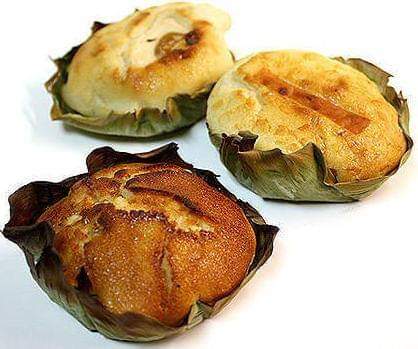
1. Bibingka are usually eaten during the Christmas season. They’re famous among churchgoers during the Simbang Gabi. It’s best served hot with margarine, butter, or cheese on top. Some bibingka have salted egg which gives it a special kick. Bibingka is made from rice flour, coconut milk, sugar, milk, baking powder, and softened butter.

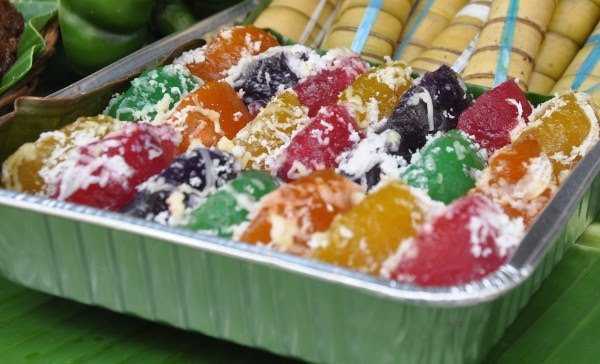
2. Sapin sapin– there would never be any other kakanin as vibrantly colored as the sapin-sapin. This kakanin is basically made from glutinous rice and coconut milk. But what makes it special is that it features three layers of awesome flavors. The bottom layer is jackfruit flavor, the middle layer is the plain one, while the top layer is ube flavored. The flavors blend in very well together.
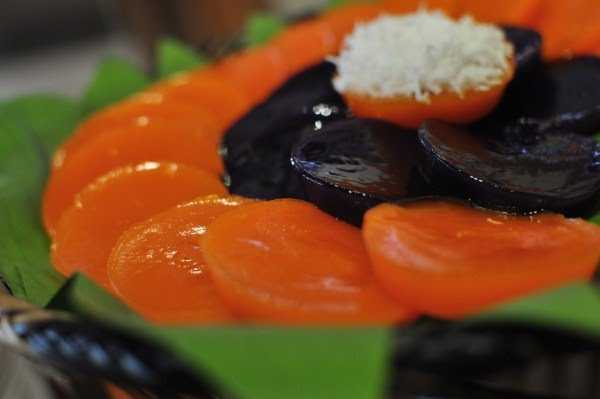
3.Kutsinta is one of the simplest kakanin in the Philippines. It’s also very easy to find in the markets or malls. It’s that brown cupcake like kakanin that’s sold alongside puto or suman. It is basically comprised of flour, sugar, annatto powder and lye water. They are commonly eaten with grated coconut.
4. Pichi-pichi– if you see a light yellow kakanin coated in grated coconut, then that is the Pichi-pichi. It’s made from combining grated cassava and sugar. It’s very light, and more often than not, it’s quite addicting to eat. They often sell it in groups of 6s or 12s and they surely are worth every penny.
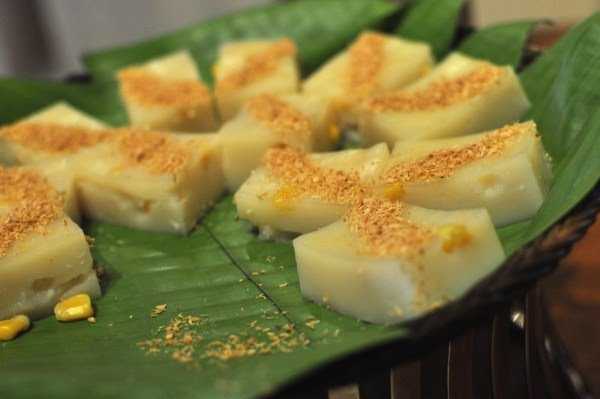
5. Maja Blanca– a magkakanin would always have maja blanca among the food they sell. They’re usually sold in square slices, sometimes topped with cheese, or sometimes with latik. These small sweet treats are made from mixing Corn starch, sweet corn kernels, sugar and coconut milk. Special majas are very creamy and even melt in your mouth.
Reference:
Philippine Most Loved Native Delicacies: Top 10 Kakanin in the Philippines. From: http://outoftownblog.com

 Native Delicacies of the Philippines